
July is recognized as BIPOC Mental Health Month, a time dedicated to raising awareness of the unique mental health experiences, challenges, and strengths of Black, Indigenous, and People of Color (BIPOC) communities.
It is also an opportunity to highlight the importance of equitable access to mental health care, nutrition counseling, and eating disorder treatment.
Mental health and physical health are deeply connected, yet conversations about eating disorders, body image, and disordered eating have historically overlooked the experiences of many BIPOC individuals. Harmful stereotypes and misconceptions can create barriers to diagnosis, treatment, and support. As a result, many people may struggle in silence or delay seeking help because they do not see themselves represented in discussions about recovery.
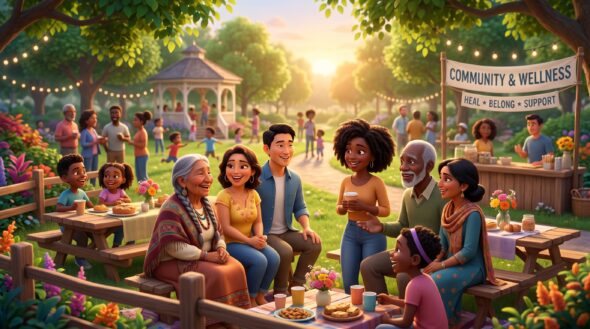
BIPOC Mental Health Month reminds us that eating disorders do not discriminate. They can affect people of all races, ethnicities, ages, genders, and body sizes. Similarly, body image concerns and unhealthy relationships with food can impact anyone, regardless of cultural background. Every individual deserves access to compassionate, culturally responsive care that respects their experiences and values.
Registered dietitians who specialize in eating disorders and nutrition counseling play a vital role in supporting recovery. Nutrition counseling is about much more than meal plans or food choices. It helps individuals rebuild trust with food, challenge harmful beliefs, develop sustainable habits, and improve their relationship with their bodies. For many people, working with a dietitian who understands the importance of cultural foods, traditions, and lived experiences can be an important part of the healing process.
Representation matters in healthcare. When individuals see themselves reflected in providers, educational materials, and recovery stories, it can help reduce stigma and encourage help-seeking behaviors. Creating inclusive spaces where people feel seen, heard, and respected is essential to improving mental health outcomes and supporting long-term recovery.
This BIPOC Mental Health Month, we can all play a role in promoting awareness and understanding. Whether that means learning about mental health disparities, supporting inclusive healthcare practices, sharing resources, or encouraging open conversations, every action helps build stronger and healthier communities.
Healing happens when people have access to support, understanding, and care. By recognizing the diverse experiences within BIPOC communities, we can help create a future where mental health, body image healing, and eating disorder recovery are accessible to everyone.